
高色彩对比
字体大小
中
小
中
大
简体
ENG
繁體
简体
课程
-
研究生课程学士学位课程
-
副学位课程
-
证书课程
 教与学伙伴合作及社区联系
医疗及健康科学学院 The AI and Innovation in Radiation Sciences and Beyond 3.0 Symposium17/08/2026
The School of Medical and Health Sciences and the Cancer Care Research Theme Group of Tung Wah College successfully organized the “AI and Innovation in Radiation Sciences and Beyond 3.0” Symposium on 17 August 2026 at King’s Park Campus, Tung Wah College.
Building on the successful AI in Medical Radiation Sciences 1.0 and 2.0 symposiums held in 2024 and 2025 respectively, this year’s symposium continued to explore the rapidly developing role of artificial intelligence, advanced imaging, radiotherapy, radiopharmaceuticals, and related innovations in healthcare.
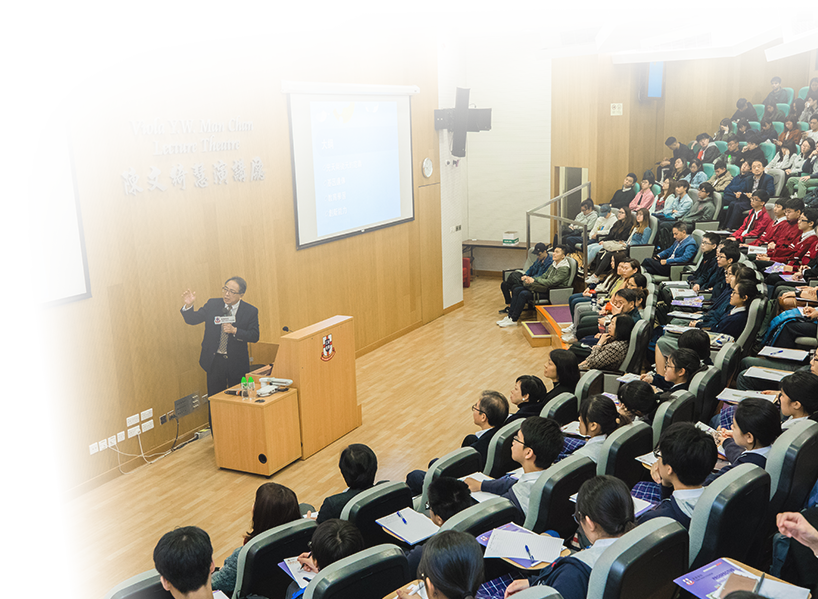
The symposium welcomed more than 100 participants, including diagnostic radiographers, radiation therapists, medical physicists, academics, clinicians, educators, industry professionals and students. Their participation reflected the strong and growing interest in the application of artificial intelligence and emerging technologies in medical radiation sciences.
The event began with a welcoming speech delivered by Professor Rick Kwan, Acting Vice President (Academic) of Tung Wah College. In his remarks, Professor Kwan highlighted the development of the symposium series from 1.0 in 2024, through 2.0 in 2025, to the current 3.0 symposium. He also emphasized the importance of interdisciplinary collaboration, innovation, and knowledge exchange in preparing healthcare professionals for an AI-enabled future.
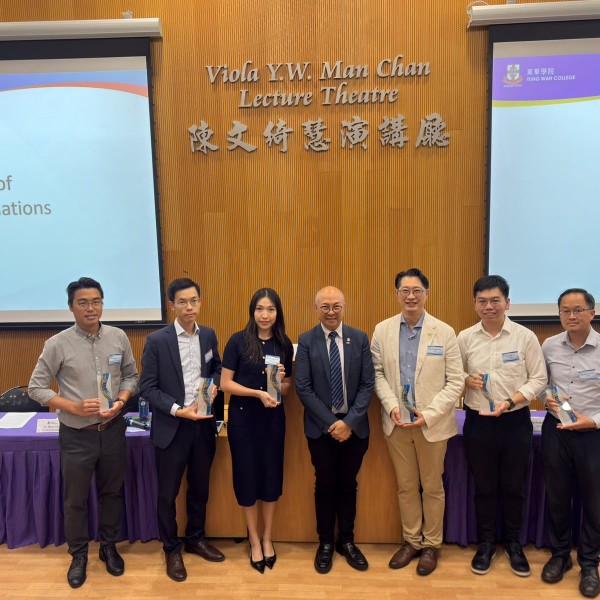
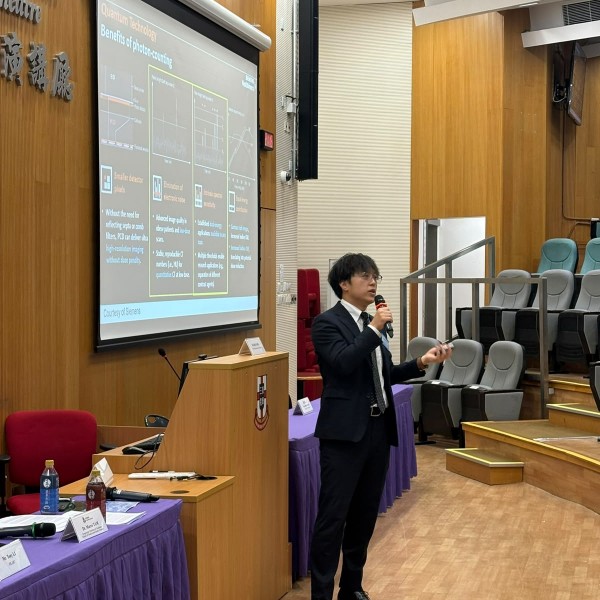
The symposium featured a diverse programme of international, academic, clinical, and industry perspectives. Distinguished speakers from South Korea included Professor Seung Hyeok Seok of Seoul National University and Professor Sang Wha Kim of Kangwon National University. Local speakers and experts included Dr Justin Cheng of SmartCare Technology and The Hong Kong University of Science and Technology, Dr Bin Yang of Hong Kong Sanatorium & Hospital, Mr Philip Mak of St. Teresa’s Hospital, Mr Clement Tam of ZERO Biotech Company Limited, and Tung Wah College speakers Mr Adams Yuen (Senior Lecturer, MHS) and Dr Mohan Huang (Assistant Lecturer, MHS).
Topics covered during the symposium included AI-powered medical consultation and education, immune determinants of radiation therapy resistance, radiopharmaceuticals for future cancer care, deep learning for radiotherapy quality standardisation, PET/CT radiomics, photon-counting computed tomography, and single-cell pathway remodeling associated with brain imaging alterations.
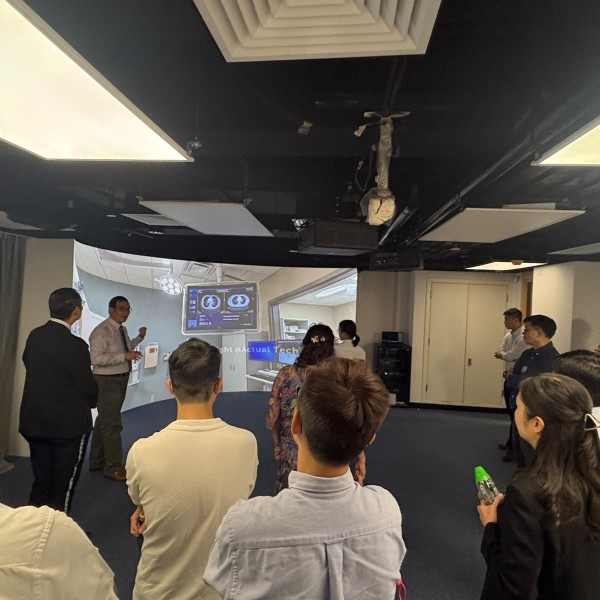
To facilitate participation, the programme was conducted in two parallel venues: the Viola Chan Lecture Theatre and Lecture Theatre SLT1. Participants also enjoyed refreshments and visited the Philips exhibition booth at Campus Square. A laboratory visit to School’s medical imaging and radiation therapy laboratories provided participants with an opportunity to learn more about the School’s latest teaching and research facilities.
The event also demonstrated the growing regional and multidisciplinary character of the symposium, bringing together professionals and students from different areas of radiation sciences and healthcare. The symposium is gradually developing into a regional platform for professional exchange in radiography, radiation therapy, medical imaging, medical physics, and related radiation sciences.
The School acknowledges Philips Electronics Hong Kong Limited, the Platinum Sponsor, and Umedco (Far East) Limited, the Silver Sponsor, for their generous support. Their contributions helped facilitate the symposium and strengthened interaction between healthcare professionals, academic institutions, and industry partners.
Sincere appreciation is also extended to the supporting organizations:
- Hong Kong Radiographers’ Association
- Hong Kong Association of Radiation Therapists
- Hong Kong Institution of Physicists in Medicine
- Hong Kong Association of Medical Physics
Their support significantly enhanced the professional reach and relevance of the symposium.
The School also expresses its appreciation to the speakers, moderators, organizing committee members, student helpers, technical and administrative staff, and all participants who contributed to the smooth running and success of the event.
The symposium concluded with a closing address and acknowledgements by Dr Marco Tam, Symposium Chairman and Assistant Professor of MHS. The School of Medical and Health Sciences and the Cancer Care Research Theme Group look forward to continuing this initiative and fostering further collaboration in artificial intelligence, medical imaging, radiotherapy, cancer care, and radiation sciences.
 京士柏校舍香港何文田卫理道31号
马锦灿纪念大楼旺角校舍香港旺角山东街
90号A钟江海纪念大楼及
98号钟秦兰凤大楼葵兴校舍香港葵涌葵昌路51号
九龙贸易中心
第1座8楼及
第2座16楼尖沙咀校舍香港九龙弥敦道136A号一般查询:入学咨询:


 ©2026 版权属东华学院有限公司所有